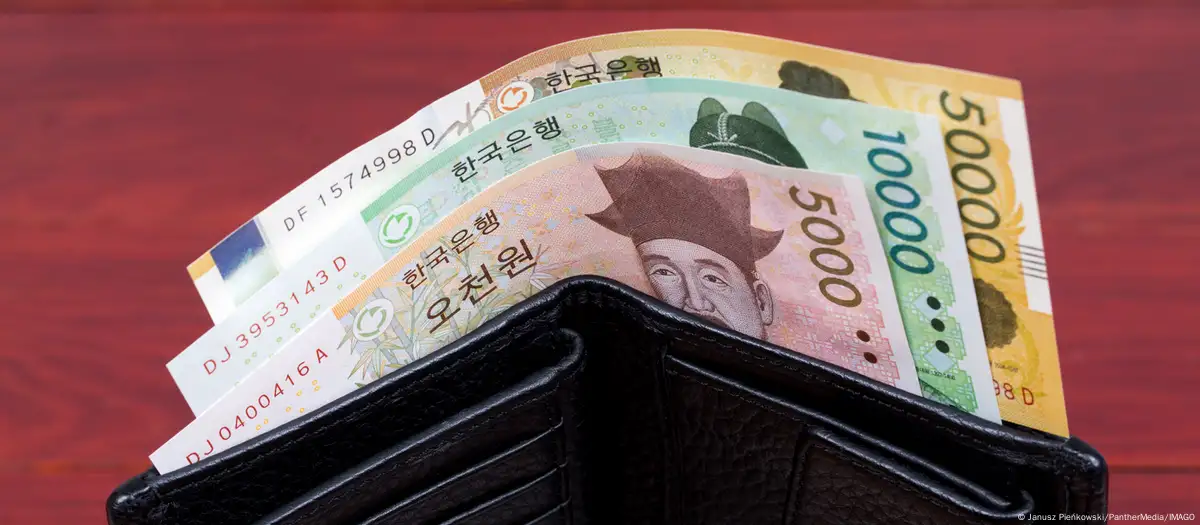
Did you know that tipping in Korea is considered rude? Or that writing someone’s name in red ink is a serious no-no? These may seem like small things, but in South Korea, cultural taboos matter—a lot. If you're planning to visit, it’s not just about what to do; it’s also about what not to do to avoid awkward situations or offending locals.
South Korea is a modern and welcoming country, but it has deep cultural traditions that shape daily life. Understanding these unspoken rules will help you blend in better, show respect, and make your trip smoother and more enjoyable. Let’s look at some of the most important things to avoid when traveling in Korea.
🚫 What NOT to Do in Korea: 12 Common Mistakes Travelers Make
Here’s a list of cultural taboos and everyday things you should avoid during your trip to South Korea.
1. Don’t Leave a Tip
Tipping is not a common practice in Korea. In fact, it can be seen as rude or unnecessary, especially in restaurants or taxis. Most workers are paid a fair wage and do not expect a tip. Instead of leaving extra money, just say a polite “감사합니다” (gamsahamnida)—thank you!
2. Don’t Stick Chopsticks Upright in Rice
This gesture resembles a Korean funeral tradition and is seen as bad luck. Always place your chopsticks beside or across your bowl when not in use. Also, avoid passing food from chopsticks to chopsticks—that’s also part of funeral rituals.
3. Don’t Speak Loudly in Public Spaces
Koreans value harmony and calmness, especially in subways, restaurants, and cafes. Speaking loudly or taking phone calls in quiet areas might get you some stares. Keep your voice down and use earphones with your devices.
4. Don’t Ignore Elders
Respect for elders is a big part of Korean culture. Always greet older people first, give up your seat to them on public transport, and use two hands when giving or receiving items. If you're dining together, wait for the oldest person to start eating first.
5. Don’t Write Names in Red Ink
In the past, names written in red meant that the person was dead or about to die. Today, it’s still considered extremely unlucky. Use black or blue ink when writing someone’s name—especially in souvenirs or cards!
6. Don’t Blow Your Nose in Public
Blowing your nose at the table or in public is considered bad manners in Korea. If you need to, step into the restroom or wait until you're in a more private space.
7. Don’t Point with Your Finger
Pointing at people or even objects with your index finger is seen as impolite. Use your whole hand or gesture with your palm facing upward instead.
8. Don’t Refuse a Drink Rudely
Koreans have a strong drinking culture, especially during social gatherings. If someone offers you a drink, it’s polite to accept at least one round. If you don’t drink, kindly explain or take a sip and leave the glass. Always use both hands when receiving or pouring alcohol!
9. Don’t Sit in Priority Seats on the Subway
Korean subways have reserved seating for elderly, pregnant, or disabled passengers—often marked in pink or gray. Even if the seats are empty, it’s respectful not to sit there unless you truly need it.
10. Don’t Wear Shoes Indoors in Homes or Traditional Restaurants
Most Korean homes and some restaurants require you to remove your shoes at the entrance. Always check if there's a shoe rack or if others are barefoot or in slippers. Wearing shoes inside can be seen as disrespectful.
11. Don’t Take Photos Without Permission
Privacy is important in Korea. Always ask before taking pictures of people—especially inside cafes, stores, or traditional villages. Be extra cautious when photographing children or school areas.
12. Don’t Assume Everyone Speaks English
While many Koreans speak some English, it’s always polite to try a few Korean words or use translation apps. Learn phrases like:
- 안녕하세요 (annyeonghaseyo) – Hello
- 감사합니다 (gamsahamnida) – Thank you
- 죄송합니다 (joesonghamnida) – Sorry / Excuse me
Even small efforts go a long way in showing respect.
✅ Quick Checklist: Cultural Etiquette in Korea
| Action | ✅ Do | ❌ Don't |
| Giving something | Use two hands | Use one hand or throw it |
| Speaking in public | Speak softly | Be loud or disruptive |
| Writing names | Use black/blue ink | Use red ink |
| Wearing shoes | Remove at entrances | Walk in with shoes |
| Dining with others | Wait for elders to eat | Start eating first |
🙌 Be a Respectful and Smart Traveler
Traveling to South Korea can be an amazing experience full of food, fun, and culture—but it’s easy to make small mistakes if you’re not aware of local customs. To recap, here are the biggest “what NOT to do in Korea” reminders:
- Avoid tipping.
- Don’t stick chopsticks upright in rice.
- Keep your voice low in public.
- Always show respect to elders.
- Stay away from red ink for names.
- Don’t point with your finger.
- Avoid taking photos without permission.
South Koreans are kind and understanding, and they appreciate it when travelers try to follow their customs. So, when in doubt—observe what locals do and follow their lead!
Found this guide helpful? Save this article for your upcoming trip or share it with your travel buddies. If you ever need help with local translations, itinerary planning, or booking Korean experiences, we’re here to help—just reach out!
#WhatNotToDoInKorea #KoreanCulturalTaboos #SouthKoreaTravelTips #KoreaTravelGuide2025 #KoreanEtiquetteForTourists
Why Do Koreans Always Ask Your Age? Understanding Local Customs and the Korean Age System
Have you ever been asked how old you are within seconds of meeting someone in South Korea? Don’t worry—it’s not meant to be rude! In fact, this question is a huge part of Korean culture. Age plays a big role in how people talk to each other, behave, and build relationships. If you're planning a trip to South Korea, understanding why age is so important can help you connect with locals and avoid awkward moments.
In this article, we’ll explain why Koreans always ask your age, how the Korean age system works, and how you can respond when it happens. Plus, we’ll help you prepare with tips and easy-to-follow guides—all in a friendly, simple way!
Why Age Matters So Much in South Korea
In many cultures, age is just a number. But in South Korea, it’s a key part of how people interact with one another. Here’s why:
1. Age Determines Respect and Language Use
The Korean language has different speech levels depending on age and status. People use formal or informal words depending on whether they’re speaking to someone older, younger, or the same age.
| Age Difference | Speech Level Used | Notes |
| Same Age | Casual/Informal (banmal) | Friends speak this way |
| Younger Person | Formal/Polite (jondaetmal) | Shows respect |
| Older Person | More respectful forms | Often used with honorifics |
Even just a one-year age difference can change how someone talks to you!
2. It Builds Social Order
Knowing your age helps Koreans understand where you fit in the social ladder. This affects group behavior—who sits where, who speaks first, or who pays for dinner. It’s not about being strict—it’s about harmony and knowing your place in the group.
3. It’s a Way of Being Friendly
Asking your age isn’t always serious. It’s also a quick way to figure out how to talk to you, especially when building friendships. Once age is clear, people can relax and speak in a way that feels natural.
The Korean Age System: How It Used to Work
Until recently, South Korea used a traditional age system that made people “older” than they are in most other countries. Here’s how it worked:
- Everyone is one year old at birth.
- You gain a year every January 1st, not on your birthday.
Example
If you were born on December 31st, you’d be:
- 1 year old at birth
- 2 years old the next day (January 1st), even though you’re only two days old!
Age Comparison Table
| Birthdate | International Age | Traditional Korean Age |
| Jan 1, 2000 | 25 (in 2025) | 26 |
| Dec 31, 2000 | 24 (in 2025) | 26 |
This system could be confusing for travelers, especially when someone says they’re 30 but they seem younger!
The Big Change: South Korea Now Uses International Age
In June 2023, South Korea officially switched to using the international age system for all legal and administrative purposes. This means:
- Age is now counted from zero at birth.
- You add one year every birthday, just like most countries.
But here’s the catch: even though the law has changed, many Koreans still use the traditional age in everyday conversations, especially older people or in casual settings. So, don’t be surprised if someone still refers to their Korean age.
What Should You Say When Someone Asks Your Age?
It can feel a little awkward, but knowing how to respond makes things smoother. Here's a quick guide:
✔️ What to Do
- Answer honestly. You can share your international age or your birth year (which is even more helpful).
- Say your birth year in Korean if you know how: for example, “Ichon-sip-nyeon-saeng” (born in 2010).
- Stay friendly. It’s not a test—just a way to break the ice and figure out the right way to talk to you.
✘ What Not to Do
- Don’t get defensive. It’s not about prying—it’s a cultural norm.
- Don’t ignore the question. That might feel disrespectful to some Koreans.
- Don’t worry about “sounding old.” Age isn’t seen negatively—it just helps set the tone for the conversation.
Quick Cheat Sheet: How to Say Your Age in Korean
| Phrase | Meaning |
| 몇 살이에요? (myeot sal-i-e-yo?) | “How old are you?” (casual/polite) |
| 저는 25살이에요 (jeo-neun 25-sal-i-e-yo) | “I am 25 years old” |
| 1999년생이에요 (cheon-gu-baek-gu-sip-gu nyeon-saeng-i-e-yo) | “I was born in 1999” |
Checklist: When You Might Be Asked About Your Age
✔ At school or in class
✔ At work or in a job interview
✔ When drinking or eating with Koreans
✔ When making new friends
✔ When dating or using dating apps
✔ When joining a group or club
Key Takeaways
- Koreans often ask your age to know how to speak to you respectfully.
- The traditional Korean age system made everyone 1–2 years older, but this changed in 2023.
- Despite the legal change, many Koreans still use Korean age socially.
- Don’t take the question personally—it’s about communication, not judgment.
- Sharing your birth year is an easy and polite way to help them understand how to address you.
Final Tip: Be Open and Curious
Asking about age is just one small (but important) part of Korean culture. The more you learn about local customs, the better your travel experience will be. It shows that you respect their way of life, and it can lead to deeper conversations, more meaningful friendships, and fewer misunderstandings.
Save this article for later if you're planning a trip to South Korea. Share it with friends who are curious about Korean culture or might be visiting soon. And if you need help preparing for your trip—translations, etiquette coaching, or travel services—we’re here to help!